Hebron Market is a halal butcher and Middle Eastern grocery at 1522 Tremont Street in Mission Hill, Boston, and the sweets shelf is where a lot of first-time customers linger the longest. This post walks through the kunafa and baklava we stock, the cheese and pastry you need to build knafeh at home, and where our little sweets case sits next to the bigger Boston Middle Eastern dessert scene right now.
What kunafa and baklava actually are
Kunafa, also spelled knafeh, is a warm cheese pastry. A layer of soft white cheese, usually akkawi or nabulsi, gets sandwiched under shredded phyllo (kataifi) or a semolina crust, baked until the top turns deep orange-red, then soaked in a light sugar syrup with rose or orange blossom water. Pistachio goes on top. It is served warm, ideally within minutes of coming out of the pan.
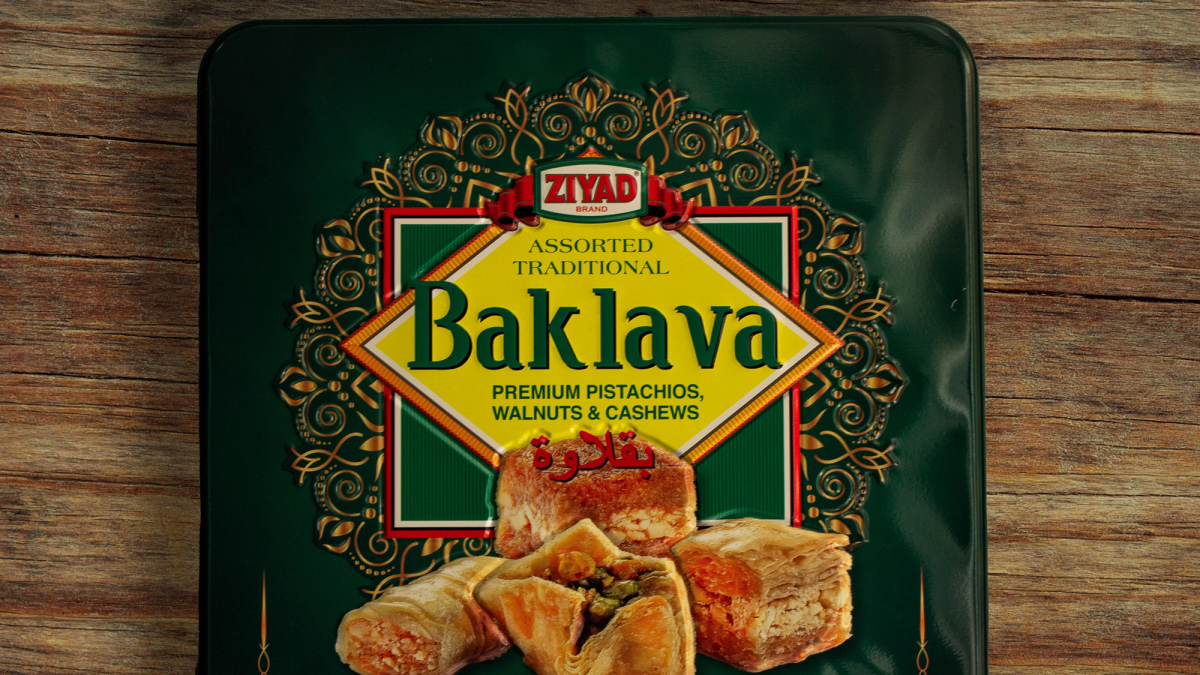
Baklava is different: layers of phyllo dough, chopped nuts (walnut or pistachio, sometimes both), butter, and syrup, cut into diamonds or squares. It keeps for days on the counter, which is part of why it travels so well as a gift or a mezze-table staple.
Both are on our shelf, and both get asked about daily by customers who grew up eating one or the other and are looking for a taste that matches home.
What we carry on the sweets shelf
Our sweets and snacks section carries baklava and kunafa alongside halva, mixed nuts, and seeds. If you want to build knafeh yourself instead of buying it pre-made, the pantry aisle has what you need: kataifi and phyllo dough for the crust, and the dairy case carries akkawi and nabulsi, the two cheeses traditional knafeh calls for. We also stock labneh, halloumi, feta, and kashkaval in the same case if you are building out a bigger mezze spread alongside dessert.
Call 617-238-7896 if you want to check what is in stock before you drive or walk over. Cuts and stock rotate through the week the same way the meat counter does.
The Dubai chocolate moment, and what it means for real knafeh
If you have opened TikTok or Instagram in the last year, you have probably seen the "Dubai chocolate" bar: a milk chocolate shell filled with pistachio cream and crispy kataifi, built on the same crunchy-shredded-phyllo idea as traditional knafeh. It started with Fix Dessert Chocolatier in Dubai and has since spun off into cakes, stuffed strawberries, and spreads, and it is still a fun dessert people ask us about.
What we tell people at the counter is that the chocolate bar borrows its crunch from kataifi, the same shredded phyllo we sell by the box for actual knafeh. If the viral version got you curious, the cheese-and-syrup original is one aisle over, and it is the version Mission Hill's Middle Eastern and Palestinian families have been making for generations, not a new invention. There is also a real conversation happening in food media right now about giving credit to the Levantine roots of the dish instead of letting "Dubai-style" branding erase where it actually comes from, and we are on that side of it.
How to make knafeh at home
You do not need a bakery to make a decent tray of knafeh. Here is the basic version with what is on our shelves:
- Shred a block of kataifi by hand so the strands separate, then toss with melted butter or ghee until every strand is coated.
- Press half the buttered kataifi into a round pan, packing it flat.
- Layer shredded or sliced akkawi or nabulsi cheese over the kataifi. Soak the cheese in water first if it tastes very salty, then pat it dry.
- Cover with the rest of the buttered kataifi and press down firmly.
- Bake at 375°F until the top is deep golden, roughly 30 to 40 minutes depending on your oven and pan size.
- While it bakes, make a light syrup: sugar, water, a squeeze of lemon, and a splash of rose or orange blossom water, simmered a few minutes and cooled.
- Pour the cooled syrup over the hot tray right when it comes out of the oven, so it soaks in without going soggy.
- Top with crushed pistachio and serve warm, the same day if you can.
If you would rather skip the cheese-soaking step, phyllo sheets work in place of kataifi for a flatter, crisper version. Either way, the two ingredients that make or break it are the cheese and the syrup ratio, and both are things you can taste-test before you buy from our case.
Where we fit in Boston's Middle Eastern dessert scene
We are a grocery and butcher counter, not a bakery, so our sweets shelf is meant for people who want to cook or bring something to a gathering, not a sit-down dessert spot. Boston has real strength on that front already. Sofra Bakery & Cafe in Cambridge has built a following on baklava variations, including a chocolate-hazelnut version, alongside its Turkish, Lebanese, and Greek menu. Cambridge is also getting C'Yool, a new Yemeni coffee shop from Ahmed Mahmood, owner of Bab Al-Yemen, serving sabayah and honeycomb bread. Boston as a whole was named one of the world's best food destinations for 2026 by Condé Nast Traveller, and Middle Eastern food is part of why. We are glad to be one small shelf in a city taking this food seriously.
Yousef Irziqat has been on Tremont Street for more than 12 years, first with Crispy Dough pizzeria and now with Hebron Market. The sweets case is a newer addition to the shop, built the same way the meat counter was: stock what the neighborhood actually asks for.
Students from Northeastern, Wentworth, and MCPHS, along with staff from the Longwood Medical Area and Brigham and Women's, make up a big share of who walks in asking about kunafa and baklava, usually around a holiday or a family visit. The E line stops close enough that it is an easy trip without a car.
For the meat side of the shop, see our halal meat page for what is at the butcher counter this week. For the rest of the pantry and dairy case, our Middle Eastern grocery page has the full rundown. You can also order online if you know what you need ahead of time.
Frequently asked questions
What is the difference between kunafa and knafeh?
They are the same dessert. Knafeh is closer to the Levantine Arabic pronunciation, kunafa is the more common English spelling. Both refer to the baked cheese pastry with shredded phyllo or semolina crust and sugar syrup.
Do you sell kunafa cheese?
Yes. Our dairy case carries akkawi and nabulsi, the two cheeses used for traditional knafeh. Call 617-238-7896 to check what is in stock before you come in.
Is the baklava you carry made with butter or oil?
We carry pre-made baklava on our sweets shelf. Ask at the counter about the specific batch in stock that day, since suppliers can vary.
What is kataifi and where do I find it in the store?
Kataifi is shredded phyllo dough, the shredded pastry used for knafeh and for the crunchy shell in the viral Dubai chocolate bars. It is in our pantry aisle near the phyllo sheets.
Can I make knafeh without akkawi or nabulsi cheese?
Traditional knafeh needs a mild, low-salt white cheese so it melts without breaking. Akkawi and nabulsi are both in our dairy case and are the cheeses we recommend, since substitutes like mozzarella will not give you the same texture.
Is Hebron Market a bakery?
No. We are a halal butcher and Middle Eastern grocery. We sell pre-made kunafa and baklava along with the ingredients to make knafeh at home, but we do not bake in-store.
Where is Hebron Market located?
1522 Tremont Street, Mission Hill, Boston. We are an easy walk from Northeastern, Wentworth, and MCPHS, and close to the Longwood Medical Area and the E line.
Do you carry rose water or orange blossom water for the knafeh syrup?
Ask at the counter for what is currently stocked in the pantry aisle. Availability can shift week to week the same way our meat cuts do.
The Middle Eastern grocery page covers the rest of the pantry, dairy, and sweets shelves, and the halal butcher counter page covers the meat case. For the meat side of the shop, read how we butcher at the counter.
Yousef also runs Crispy Dough Pizzeria at 1514 Tremont Street, and a shawarma counter, Crispy Dough Shawarma Halal, is opening inside the market.